
Why Choose EduExpert
We are deeply familiar with the Erasmus+ programme, and we support schools throughout the entire process—from preparation and documentation to on-site assistance and post-course follow-up. Our goal is to make participation smooth, enjoyable and professionally rewarding for both teachers and coordinators.
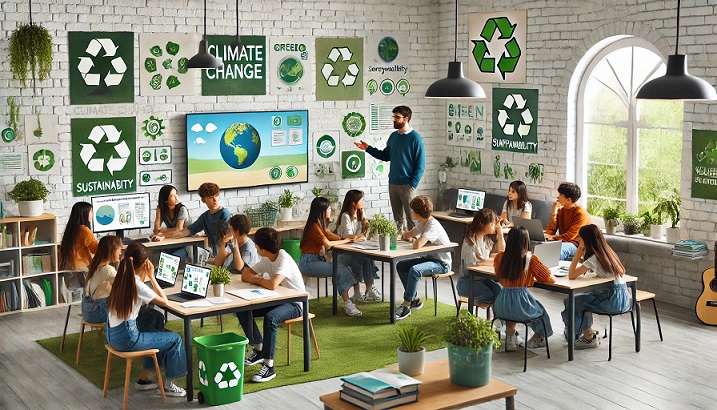
Teaching Climate Responsibility: Strategies for Green Schools and Sustainable Learning
- TBA
- 35 lessons, 7 days
- 1 Lesson(s)
- English - B1
- 11 July 2027
-
Understanding the climate crisis and its educational implications
-
Integrating sustainability across the curriculum
-
Whole-school approaches to green issues
-
Innovative tools and activities to engage students
-
Practical school projects promoting environmental responsibility
-
International exchange of best practices
Description:
This course explores how schools can effectively respond to the climate crisis by embedding green issues and sustainability into everyday teaching and school culture. Participants will be guided through the scientific, ethical, and social dimensions of the climate emergency while learning how to create cross-curricular links and support environmentally conscious learning environments. The training blends theory with hands-on activities and real-life school projects that support the Sustainable Development Goals (SDGs).
Aims and objectives:
-
Equip teachers and school leaders with knowledge about the climate crisis
-
Promote whole-school approaches to environmental sustainability
-
Develop cross-curricular strategies for teaching green topics
-
Share practical tools and successful school-based green initiatives
-
Foster international collaboration and exchange on sustainability
Learning outcomes:
By the end of the course, participants will:
-
Understand key concepts of climate science and sustainability
-
Be able to integrate green issues across subjects and grade levels
-
Design or adapt school projects and activities supporting environmental goals
-
Strengthen student engagement through eco-friendly learning approaches
-
Build networks with other educators for ongoing exchange and support
Short Description
Class Times
| Sunday | Monday | Tuesday | Wednesday | Thursday | Friday | Saturday |
|---|---|---|---|---|---|---|
|
Day 1: Arrival, introduction of the course and the location, introduction of the participants
Registration during the day
14.30 – 15.00: Familiarisation with the site, health and safety briefing
15.00 – 17.30: Introduction of the course and trainer, introduction of the participants – 5 minutes for each participant to introduce themselves and their institution and the objectives they wish to achieve by completing the course
18.00 – 19.30: Informal get-together with the course participants over dinner.
|
Day 2:
Introduction to the climate crisis;
key terminology;
the role of education in sustainability;
school presentations
|
Day 3:
Whole-school approaches: case studies and frameworks (e.g., Eco-Schools, UNESCO SDGs in education)
|
Day 4:
Cross-curricular opportunities: integrating climate and green issues into science, geography, arts, and language classes
|
Day 5:
Outdoor and project-based learning; planning a green school project; study visit to a local initiative
|
Day 6:
Designing action plans; group presentations; peer feedback and reflection
|
Day 7: End of the course – cultural programme
8.30 – 10.00: What did I learn this week? Preparing for dissemination – 5 minute presentation from each participant
10.00-10.15- Break
10.15-11.00: Evaluation and feedback of the course
Certificates, attendance certificates
Certificate issue – photography
11.30-16.00: Cultural programme – boat trip
|