Why Choose EduExpert
We are deeply familiar with the Erasmus+ programme, and we support schools throughout the entire process—from preparation and documentation to on-site assistance and post-course follow-up. Our goal is to make participation smooth, enjoyable and professionally rewarding for both teachers and coordinators.
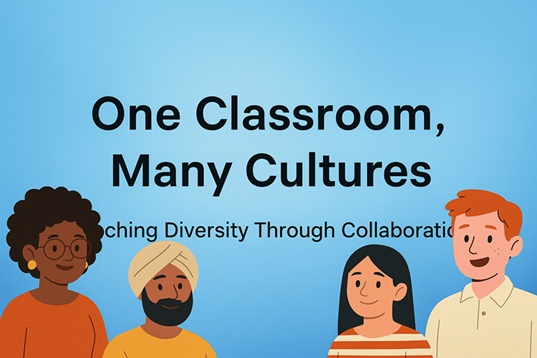
One Classroom, Many Cultures – Teaching Diversity Through Collaboration
- TBA
- 35 lessons, 7 days
- English, B2
- 11 July 2027
Description:
This practical and interactive course supports educators in developing the skills needed to communicate and collaborate effectively in culturally diverse environments.
Participants will explore how culture influences communication, behaviour, and expectations in education and everyday professional life. The course focuses on practical strategies that help educators create inclusive learning environments and manage intercultural situations with confidence.
Through hands-on activities, group work, and reflection, participants will strengthen their intercultural awareness and learn methods they can immediately apply in their own teaching or training context.
Aims and objectives:
The course aims to help participants:
- understand the role of culture in communication and education
- develop effective intercultural communication skills
- recognise and manage cultural differences and misunderstandings
- build empathy, openness, and cultural awareness
- support learners from diverse cultural backgrounds
- improve collaboration in international and multicultural teams
- reflect on their own professional practice and communication style
Learning outcomes:
By the end of the course, participants will:
- have a better understanding of intercultural communication
- feel more confident working in multicultural environments
- be able to use practical intercultural activities in their work
- improve their communication and cooperation skills
- develop greater cultural awareness and sensitivity
- gain tools for their continued professional development
Target groups:
This course is designed for:
- school teachers (primary, secondary, vocational)
- adult educators
- trainers and instructors
- teacher trainers
- school staff and education professionals
- anyone working in multicultural learning environments
Please click here to register if you wish to participate in this course.
Short Description
Class Times
| Sunday | Monday | Tuesday | Wednesday | Thursday | Friday | Saturday |
|---|---|---|---|---|---|---|
|
Day 1: Arrival, introduction of the course and the location, introduction of the participants
Registration during the day
14.30 – 15.00: Familiarisation with the site, health and safety briefing
15.00 – 17.30: Introduction of the course and trainer, introduction of the participants – 5 minutes for each participant to introduce themselves and their institution and the objectives they wish to achieve by completing the course
18.00 – 19.30: Informal get-together with the course participants over dinner.
|
Day 2 – Introduction and Understanding Culture
- Welcome, introduction, and expectations
- Icebreaker activities and getting to know each other
- Overview of course objectives and structure
- What is culture? Visible and invisible aspects of culture
- How culture influences communication and behaviour
- Personal cultural experiences and reflection
- Group discussion: cultural differences in participants’ professional contexts
|
Day 3: Cultural Awareness and Self-Reflection
- Cultural identity and persronal values
- How our background influences our perceptions and reactions
- Stereotypes, assumptions, and unconscious bias
- Interactive exercises to explore perspectives
- Small group discussions and case examples
- Reflection activity: recognising personal strengths and challenges
|
Day 4: Wednesday – Intercultural Communication Skills
- Elements of effective intercultural communication
- Verbal and non-verbal communication differences
- Communication styles and preferences
- Interactive communication exercises
- Role-play activities based on real-life situation
- Group reflection and feedback
|
Day 5: Thursday – Managing Cultural Differences in Education
- Cultural diversity in classrooms and training environments
- Common intercultural misunderstandings
- Case studies from educational practice
- Strategies for preventing and managing conflicts
- Inclusive teaching approaches
- Group problem-solving activities
|
Day 6– Intercultural Competence in Practice and communication and Collaboration in International Contexts
- Communication in international environments
- English as an international communication tool
- Building trust and cooperation
- Teamwork exercises and simulations
- Developing inclusive and respectful learning environments
- Sharing best practices and experiences
|
Day 7 – Reflection, Integration and Action Planning,End of the course – cultural programme
8.30 – 10.00:
- Review of key concepts and learning points
- Reflection on personal learning experience
- Identifying individual strengths and areas for development
- Creating a personal action plan
- Group discussion and exchange of ideas
- What did I learn this week? Preparing for dissemination – 5 minute presentation from each participant
10.00-10.15- Break
10.15-11.00:
Evaluation and feedback of the course
Certificates, attendance certificates
Certificate issue – photography
11.30-16.00: Cultural programme – boat trip
|